

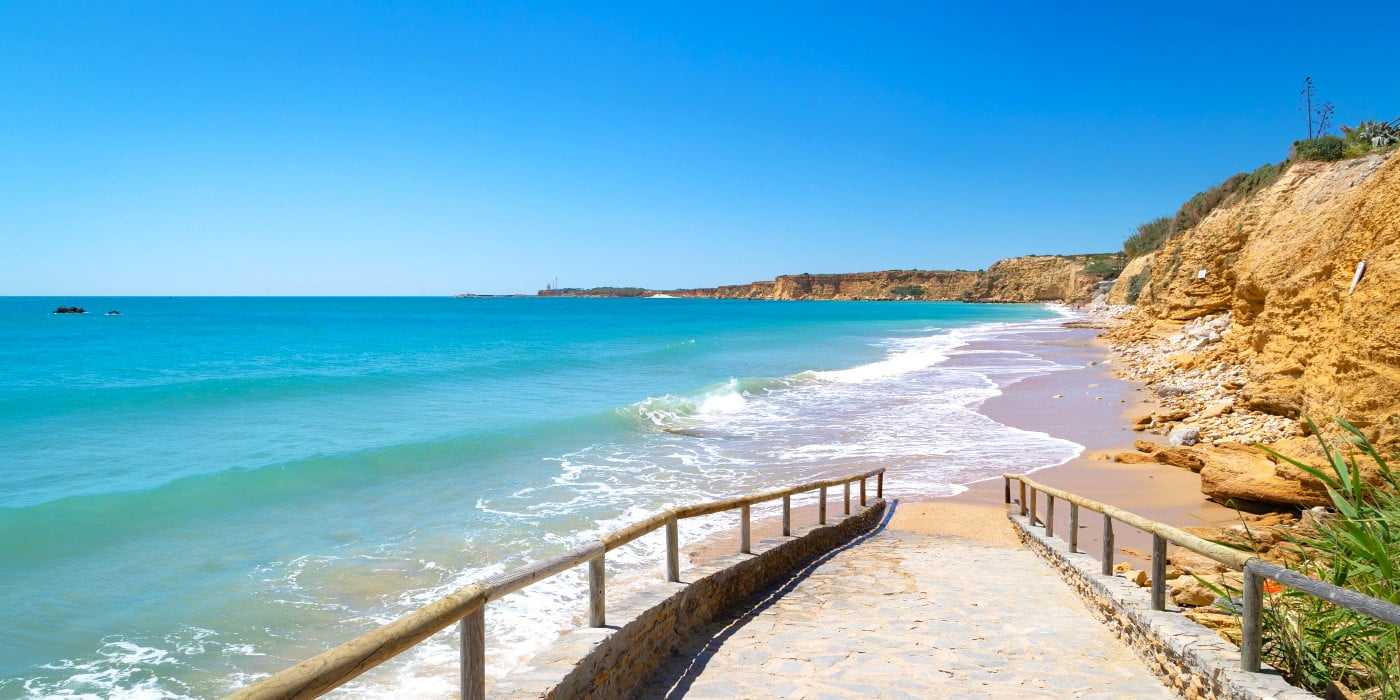
Quick answer
The distance between Seville and Cadiz is approximately 125 kilometers (78 miles) via the most direct route through Jerez de la Frontera. Seville to Jerez measures roughly 90 kilometers, with an additional 35 kilometers from Jerez to Cádiz. The route follows the A-4 and AP-4 motorways south from Seville, then continues via the A-4 or N-IV through Jerez before reaching the coast at Cádiz.
The 125-kilometer corridor between Seville and Cádiz forms one of Andalusia's most traveled axes, linking the inland provincial capital with Spain's oldest continuously inhabited city on the Atlantic coast. The route is defined not by a single road but by the pivot point of Jerez de la Frontera, which sits almost exactly two-thirds of the way from Seville to the sea. From Seville's southern perimeter, the AP-4 toll motorway and the parallel A-4 autovía run nearly straight through the Guadalquivir river plain, passing the flat agricultural zone known as the campiña before reaching Jerez at the 90-kilometer mark. Jerez itself occupies a limestone plateau above the Guadalete river valley, and the final 35-kilometer stretch to Cádiz descends gradually through vineyard country and salt marsh as the road approaches the Bahía de Cádiz. The entire distance between Seville and Cadiz can be visualized as a gentle southwest diagonal across the province, with elevations dropping from roughly 10 meters above sea level in Seville to sea level at the Cádiz peninsula. Understanding this Seville to Cádiz distance is essential for trip sequencing: it determines whether a visitor can realistically combine all three cities in a single day or should plan overnight stops. The 90-kilometer segment to Jerez and the shorter 35-kilometer push to Cádiz also represent two distinct landscapes—the first inland and agricultural, the second coastal and maritime—so the break at Jerez is a natural one for both geography and cultural rhythm. The route between Seville, Jerez de la Frontera, and Cádiz remains accessible year-round, with no seasonal closures or altitude restrictions. Road conditions are consistently maintained, and the flat topography means that weather rarely disrupts passage. For travelers planning multi-city itineraries in western Andalusia, these distances provide the baseline for calculating realistic travel windows and deciding which combination of stops best matches available time.
“The 125-kilometer corridor between Seville and Cádiz pivots at Jerez de la Frontera, which sits almost exactly two-thirds of the way from the inland capital to the Atlantic coast.”
Understanding the Distance Between Seville and Cádiz via Jerez de la Frontera
The route between Seville, Jerez de la Frontera, and Cádiz follows a direct corridor through the heart of Andalusia. Travelers can easily navigate this path using the regional rail network or by driving via major highways.
MD or Alvia lines from Sevilla-Santa Justa to Jerez and Cádiz
A-4 motorway connecting Seville to Cádiz via Jerez
Direct services from Plaza de Armas station to Jerez and Cádiz
Strategic Travel Planning for the Distance Between Seville and Cádiz
This framework suits travelers who want to experience both Jerez and Cádiz in a single day from Seville, balancing transit time with meaningful stops in each city. The full circuit spans approximately 10–12 hours, accounting for road or rail intervals and layover flexibility.
Depart Seville Early
Leave Seville by bus or train to maximize daylight hours in your destination cities. Early departure minimizes mid-morning traffic and secures smoother connections.
Arrive Jerez de la Frontera
Reach Jerez after roughly 90 minutes of travel; use the morning to tour a sherry bodega or visit the Royal Andalusian School of Equestrian Art. Allow 2–3 hours before continuing south.
Transfer to Cádiz
Board a connecting bus or regional train for the 30–40 minute leg to Cádiz. Short travel windows between cities let you allocate more time to exploration rather than transit.
Explore Cádiz Old Town
Spend the afternoon walking the historic center, visiting the cathedral, and strolling La Caleta beach. Compact layout means most landmarks lie within a 20-minute walk of each other.
Evening Return to Seville
Catch a late-afternoon or early-evening service back; direct routes take approximately 90 minutes. Evening departures avoid rush-hour congestion and return you to Seville by nightfall.
Optimizing Your Travel Windows for the Distance Between Seville and Cádiz
The routes connecting Seville, Jerez de la Frontera, and Cádiz remain accessible 24/7, with an optimal arrival window of 00:00–23:59. To ensure a smoother transit experience, travelers should plan their trips to avoid peak weekday commute hours.
Spring (April–May)
Moderate crowdsMild, 18°C–25°C. Pleasant for regional movement.
Feria de Abril in Seville increases local traffic density.
Summer (June–August)
High seasonal tourismHot, 30°C–40°C. Frequent heat advisories.
High temperatures may impact comfort during midday travel.
Autumn (September–October)
Lower densityModerate, 20°C–28°C. Stable, clear conditions.
Ideal climate for covering the distance between regions.
Weekday mornings
High commuter volume—
Public transit and roads experience peak usage during these hours.
Verdict: The best time for travel is Tuesday to Thursday during the shoulder months of April or October, avoiding daily peak commute hours.
Budget Considerations for the Distance Between Seville and Cádiz
Travel costs between Seville, Jerez de la Frontera, and Cádiz depend on your chosen mode of transport. Expenses primarily consist of transit fares or vehicle operating costs.
How to spend less
- Book train tickets in advance for lower fares
- Utilize local buses for cost-effective regional travel
- Compare parking rates in city centers
- Share fuel costs when traveling by car
A daily budget typically ranges from 20 EUR for basic transit to 80 EUR for comfortable private travel per person.
Geographical Context Near the Distance Between Seville and Cádiz
The route between Seville and Cádiz passes through the heart of the Sherry Triangle, offering easy access to historic coastal and inland towns. These locations complement a regional visit by providing deeper insight into the cultural and maritime heritage of Andalusia.
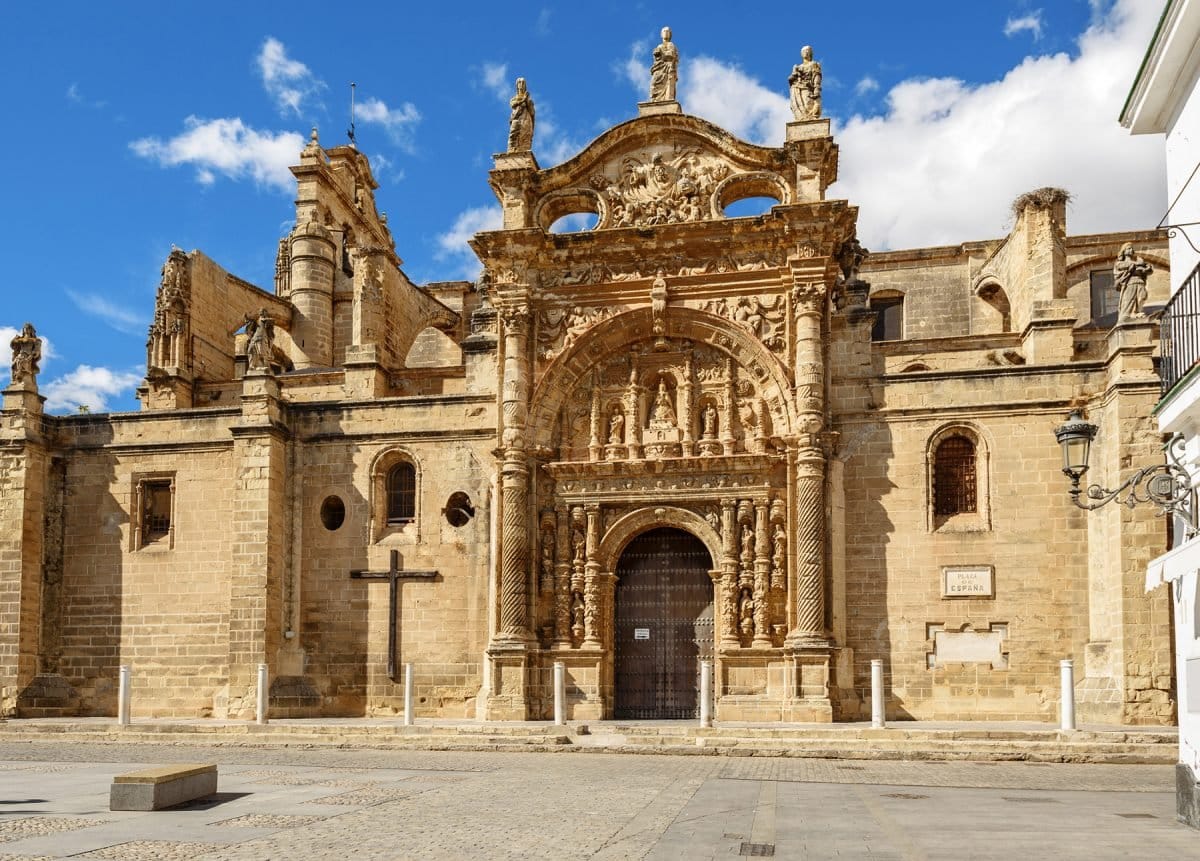
El Puerto de Santa María
Located along the Bay of Cádiz, this town is known for its connection to maritime trade and historic wine cellars. It serves as a natural stop for those exploring the regional coastline.
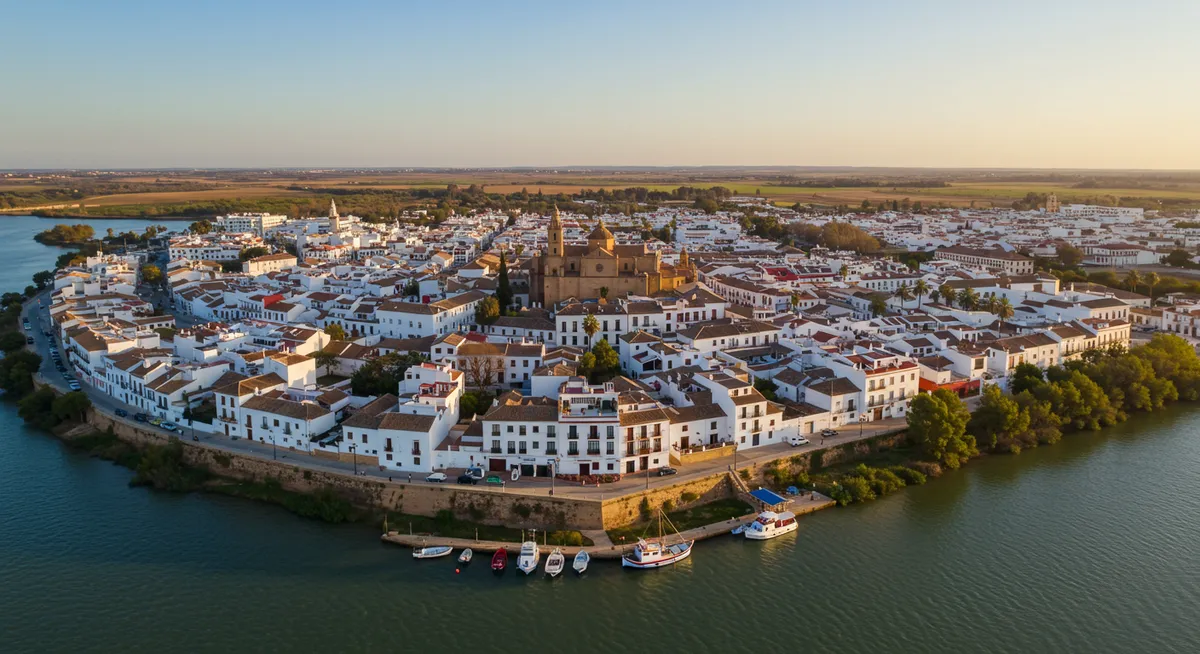
Sanlúcar de Barrameda
Positioned at the mouth of the Guadalquivir River, this town is famous for its manzanilla wine and proximity to the Doñana National Park. Its riverside location offers a distinct geographical contrast to the inland vineyards of Jerez.

Arcos de la Frontera
As one of the prominent white villages, this town sits on a dramatic limestone ridge overlooking the Guadalete River. It provides a historical perspective on the defensive settlements that characterize the wider region.
Check availability
Frequently Asked Questions About Andalusia Regional Travel
Everything you need to know about distance between seville and cadiz